Managing Photography Challenges in Remote Locations
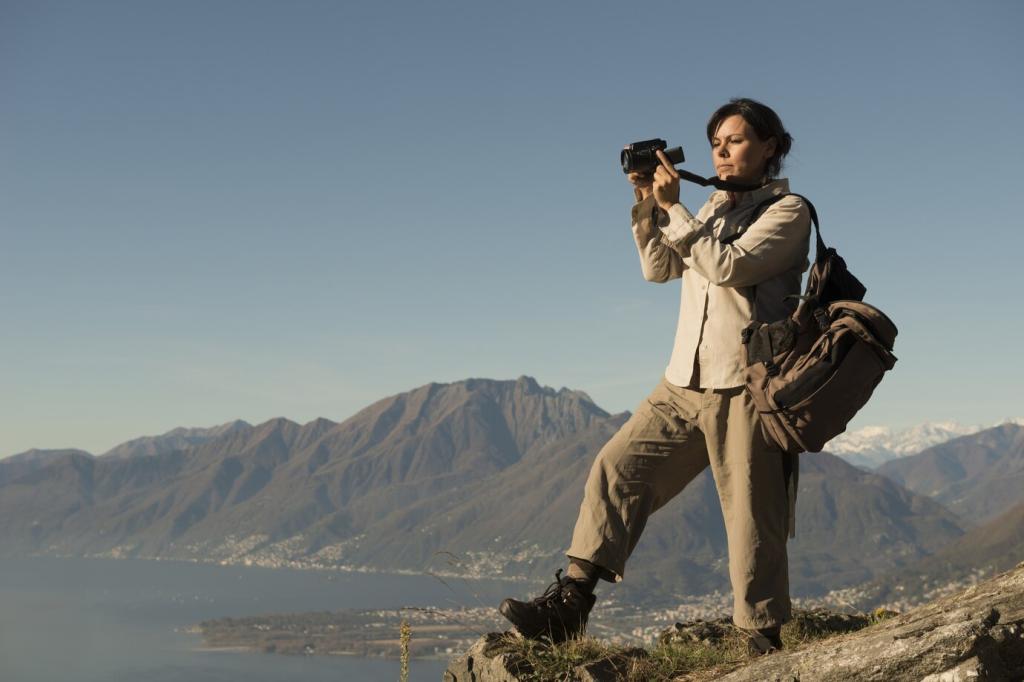
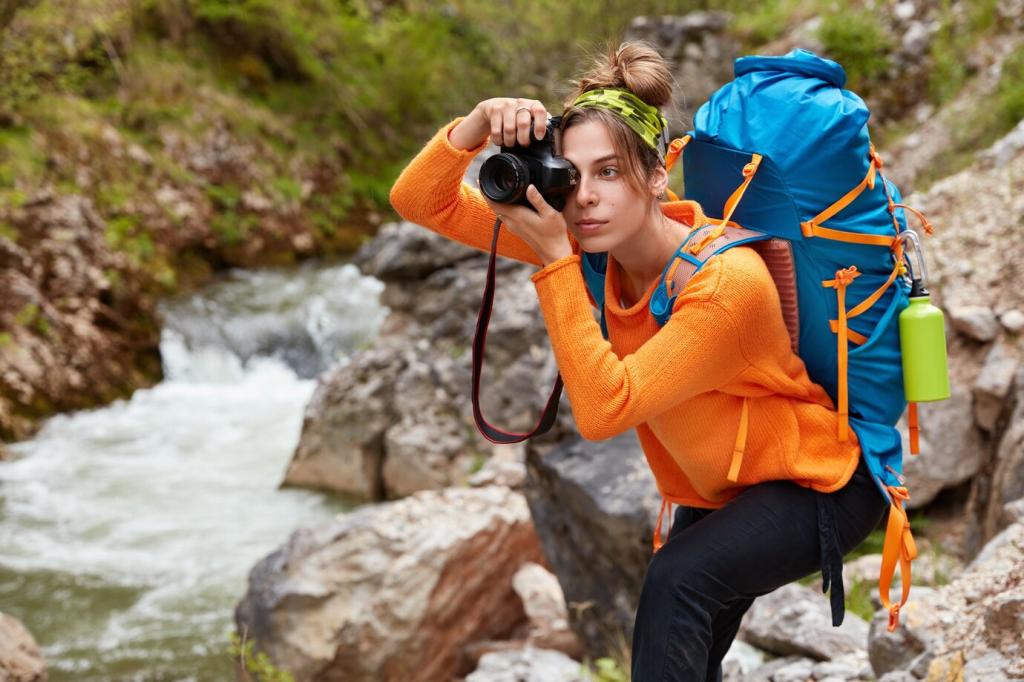
Today’s chosen theme: Managing Photography Challenges in Remote Locations. Step into the wild with practical tactics, hard-won field wisdom, and stories that keep your creativity alive when electricity, comfort, and predictability vanish. Join our community—share your experiences, ask questions, and subscribe for field-tested checklists and updates.
Logistics That Let Creativity Breathe
Contact rangers, local councils, and fixers weeks in advance to confirm permits, seasonal closures, and sensitive sites. Ask about road conditions, river crossings, and satellite coverage. Build an emergency plan with rendezvous points and evacuation options. Post your research checklist in the comments to help others prepare responsibly.
Logistics That Let Creativity Breathe
Every gram matters when a steep ridge stands between you and golden hour. Prioritize versatile lenses, a compact support, layered clothing, and a modular bag system. Duplicate mission-critical items like filters and plates. Want my two-bag remote kit list? Subscribe and I’ll send the downloadable template.
Battery Strategy for Extreme Conditions
Cold steals capacity fast. Keep batteries inside your jacket, rotate frequently, and warm them with chemical hand warmers. Favor USB‑C PD chargers and consolidate voltages. In Greenland, I labeled sets by day to track usage. What’s your cold-weather ritual? Comment with your best endurance tips.
Field Backup That Actually Survives
Follow a 3‑2‑1 rule: three copies, two different media, one off person. Use rugged SSDs with verifiable checksums, plus encrypted clones. Cache a micro SD set in a dry bag at camp. Curious about my verify-before-sleep workflow? Subscribe for the step-by-step, script-ready guide.
Charging Ecosystems That Scale
Combine a 20,000–30,000 mAh PD bank with a foldable 28–60W solar panel and short, durable cables. Color-code everything. Use a wattmeter to learn your real draw. Share your panel and bank pairings so others can copy a proven setup, not a spec sheet fantasy.
Light, Weather, and Unforgiving Environments
High sun on dusty plateaus? Use negative fill with a dark jacket, flag glare with your hat, and compose for shadow geometry. At blue hour, balance a headlamp rim with lingering sky. I once planned a dawn river crossing just to catch mist backlit—worth every shiver.
Light, Weather, and Unforgiving Environments
Weather sealing helps, but technique is king. Keep gear in dry bags, wipe with microfiber before stowing, and never change lenses in blowing grit. Toss desiccant packs into pouches. Rain covers look awkward yet save sensors. Share your battle-tested sealing habits with the community.
Minimalist Kit, Maximum Story
One Body, Two Lenses, Infinite Options
A fast 24–70 handles landscapes, portraits, and handheld dusk. Pair with a compact 70–200 or a tiny 35mm prime for character. Decide by terrain and distance. My Ladakh trek survived on a 24–70 and 85mm, nothing else—my back thanked me on day three.
Audio and Notes in the Wild
Stories deepen with sound. A pocket recorder, small shotgun mic, and wind protection capture place and presence. Record short voice notes for captions and names. In rainforests, ambient layers carried my photo essay. Want my captioning template? Subscribe and get the field PDF.
Improvised Supports and Stability
Stability without a tripod? Convert trekking poles, use a beanbag on rocks, or a string monopod around your foot. Brace elbows against your pack. Slow, deliberate breathing becomes a tool. Share your favorite improvised support and why it saved your shot.
People, Culture, and Ethics Far From Home
Carry translated consent cards and explain your intent. Offer prints or share galleries later. Avoid extractive storytelling—give back knowledge, time, or visibility. I returned to a mountain village with postcards of elders. Their pride made the next portrait session collaborative and joyful.
People, Culture, and Ethics Far From Home
Show process, not just spectacle. Ask participants to review a selection when appropriate, and invite their input on captions. Avoid clichés; ground claims with facts. Your credibility travels farther than you do. Share one ethical decision that improved your final story and why.
Mindset, Safety, and Resilience
Before leaving camp, run a two-minute checklist: weather, route, batteries, memory, water, headlamp, layers, first aid, comms. Agree on time hacks and rally points. On a windy plateau, that routine saved us precious light. Post your checklist to inspire safer adventures.