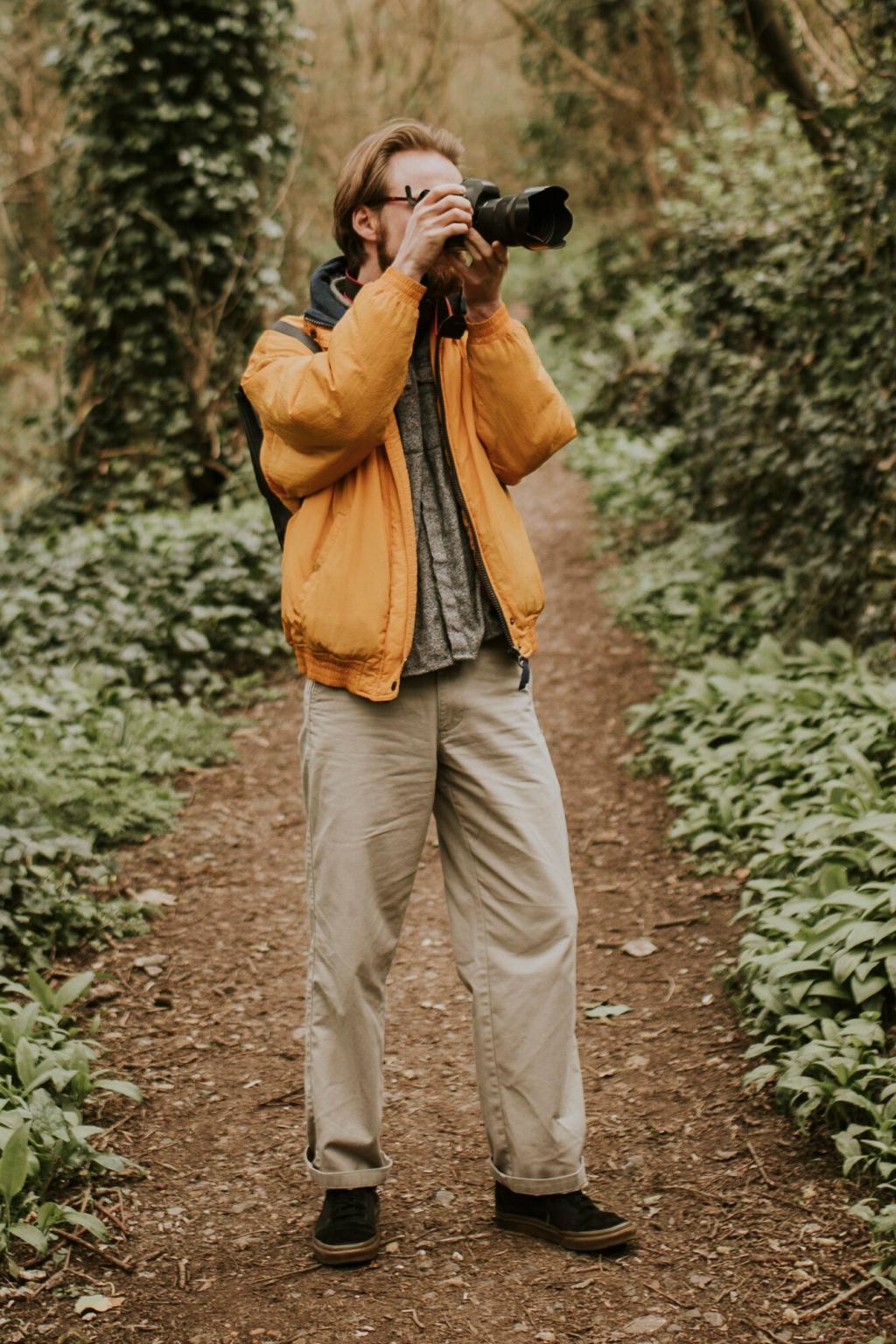
Capturing Wildlife: Techniques for Hikers
Welcome, trail wanderers and patient observers! Chosen theme: Capturing Wildlife: Techniques for Hikers. Step softly with us into mornings of mist and birdsong as we blend fieldcraft, creativity, and ethics to bring home respectful, unforgettable images. Share your favorite trail in the comments and subscribe for new on-foot techniques each week.
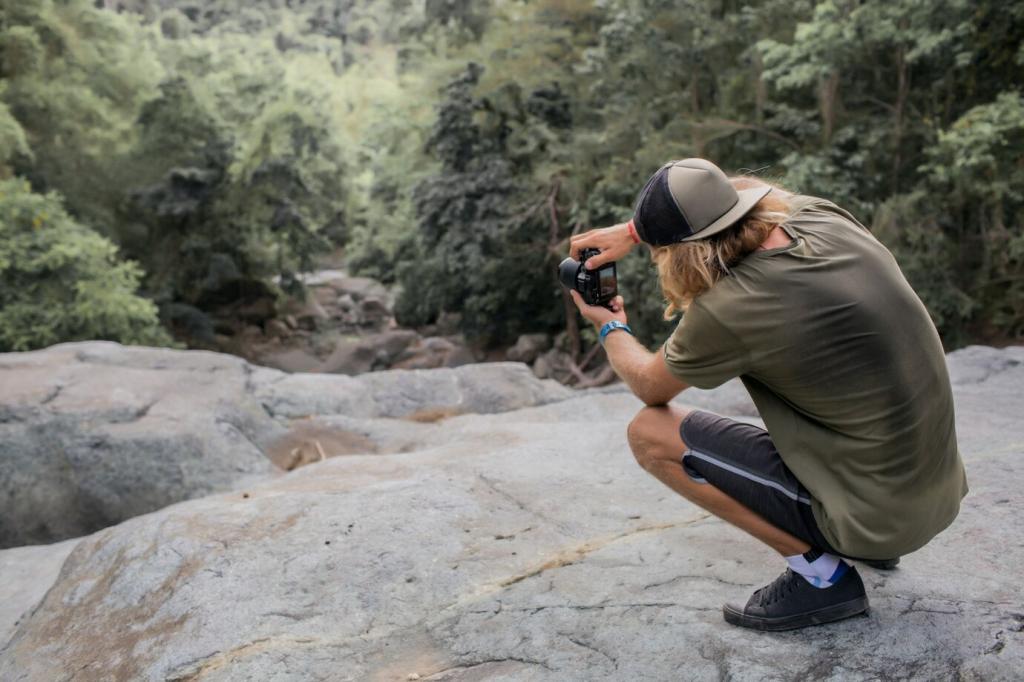
Trailcraft and Stealth: Moving Like Part of the Forest
Animals live by nose and ear. Approach from downwind, notice thermals rising on sunny slopes, and let breeze hide your footsteps. Muffle zippers, tape jingling buckles, and wrap metal with cloth. Pause before cresting ridgelines, where sound carries farther and silhouettes reveal your approach long before you see anything.
Trailcraft and Stealth: Moving Like Part of the Forest
Take three gentle steps, then freeze for a slow count of ten. Scan high, mid, and low layers; many eyes glow at knee height. Use pauses to pre-focus on likely openings and breathe quietly. This rhythm unsettles fewer creatures than a constant, predictable march down the trail.
Ethics First: Respectful Wildlife Photography on Foot
The Rule of No Shot
If an animal stops feeding, stares repeatedly, or uses alarm calls, you are too close. Lower the camera, step back, and watch without pushing. The best photographers bring home stories of restraint. Comment with moments you chose not to shoot; your judgment shapes this community’s culture.
Nests, Dens, and Sensitive Seasons
Skip nest and den images unless you’re trained and permitted. Spring closures exist for a reason. Use longer focal lengths and accept heavier crops instead of disrupting breeding. I once turned around from an owl nest after one glance; returning weeks later, I photographed fledglings from a safe distance.
Trail Etiquette With Other Hikers
Whisper, step aside, and never block the path for a shot. Offer a peek through your viewfinder when appropriate and explain distance rules kindly. Good etiquette invites allies on the trail, reduces stress for wildlife, and fosters a community that values patience over proximity. Share your etiquette tip below.
Light and Composition in the Wild
Backlight on Fur and Feathers
At dawn or dusk, step so the sun rims fur and feathers with fire. Dial exposure compensation to protect highlights, and use a lens hood to control flare. Rim light reveals texture and mood without crowding the subject. Try it on squirrels at sunrise and share your results with us.
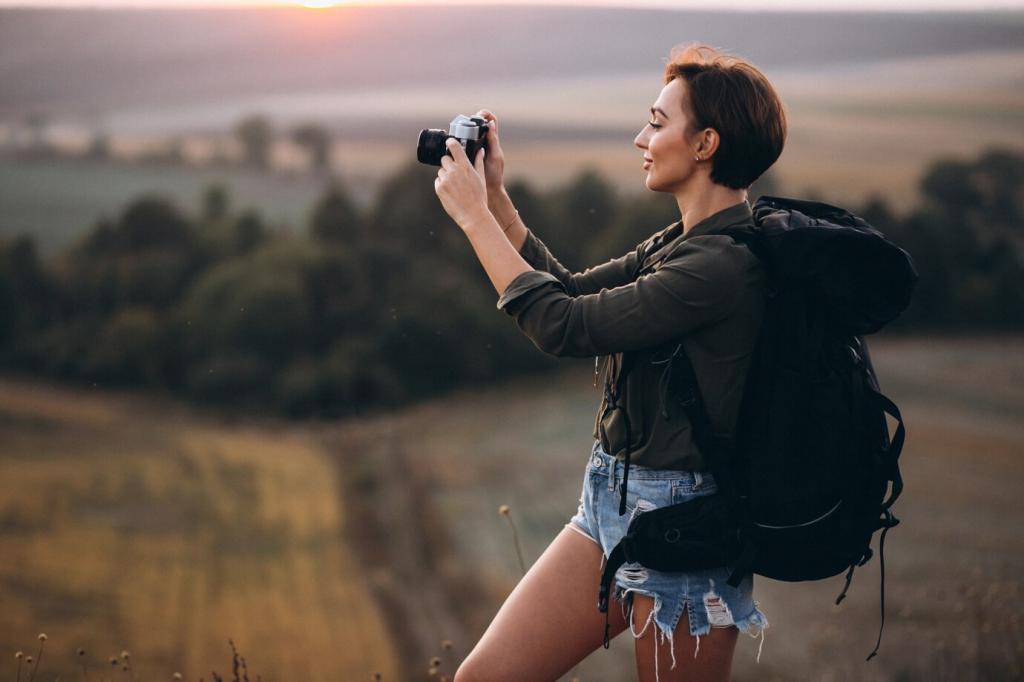
Settings That Work When Animals Won’t Wait
Use aperture priority at f/5.6–f/8, Auto ISO with a minimum shutter of 1/1000, and continuous AF with subject detection. Assign back-button focus and exposure lock. Save this to a custom mode so you can shoulder your pack, lift the camera, and be instantly ready when the moment appears.
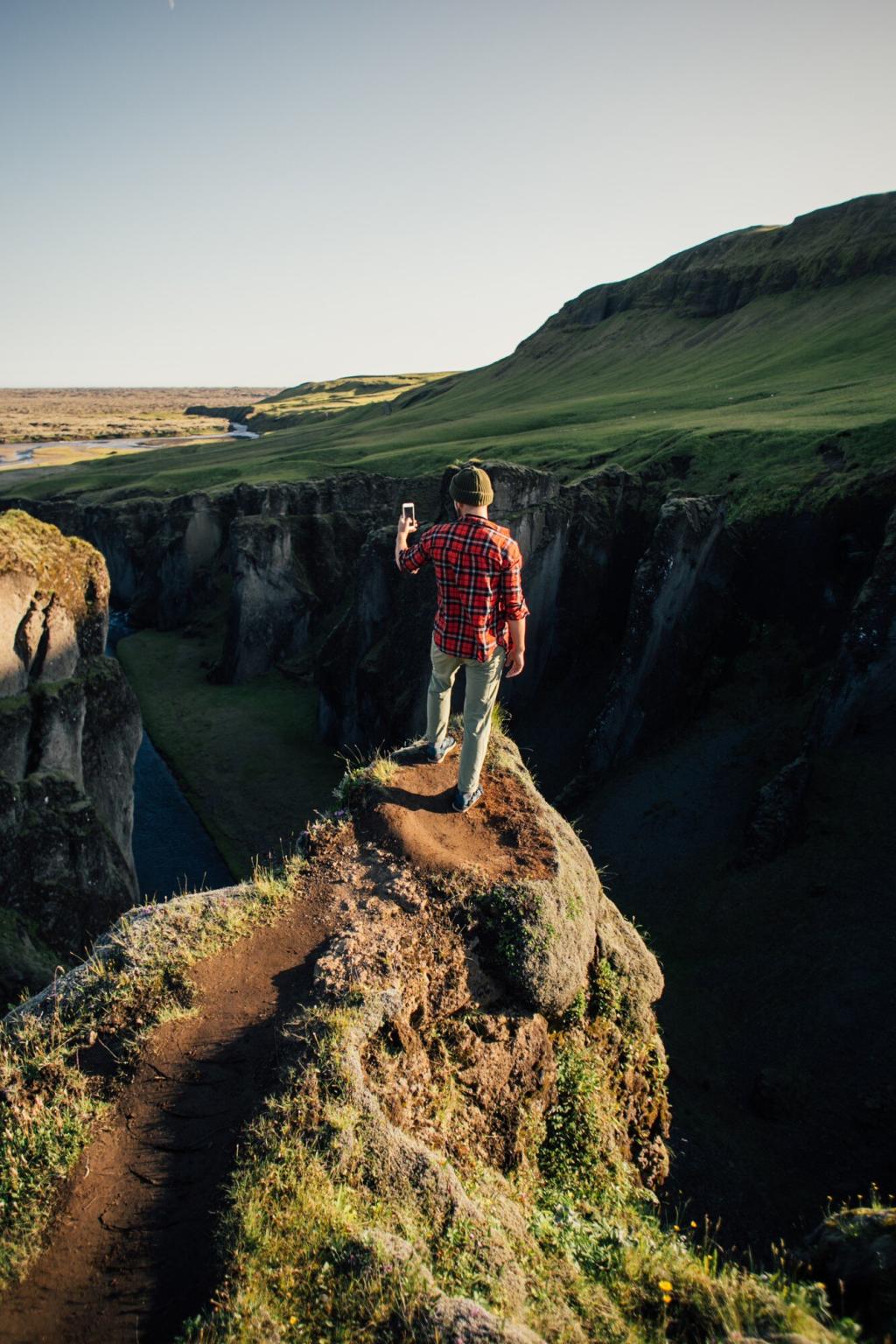
Settings That Work When Animals Won’t Wait
Electronic shutter quiets clicks but can cause rolling artifacts on fast wings and banding under LEDs. On foot, consider a damped mechanical or fully electronic only in stable light. Keep stabilization on for handholding, off on solid support. Practice half-press breathing to tame micro-shake when excitement spikes.
Listening to the Forest
Bird alarms reveal more than binoculars. Jays scold, wrens chatter, and sudden silence often precedes a raptor’s glide. Follow the wave of sound, not the trail alone. I once found a fox simply by tracing squirrel clucks along a hedgerow—no footprints, just voices pointing the way.
Tracks, Trails, and Edges
Search soft mud near springs for prints, compare heart-shaped deer slots to rounded boar tracks, and note browse height and freshness. Wildlife prefers edges where forest meets meadow. Move slowly along transitions at first light; you are walking the buffet line of animal activity without intruding on their meals.
Timing Your Approach
Dawn and dusk are reliable, but overcast midday can reveal behavior in forests without harsh contrast. After rain, scents reset and insects calm, inviting more movement. Wind masks minor noise; heat haze challenges distant shots. Keep simple notes and share patterns you notice across seasons on your local trails.
Safety on the Trail—for You and the Animals
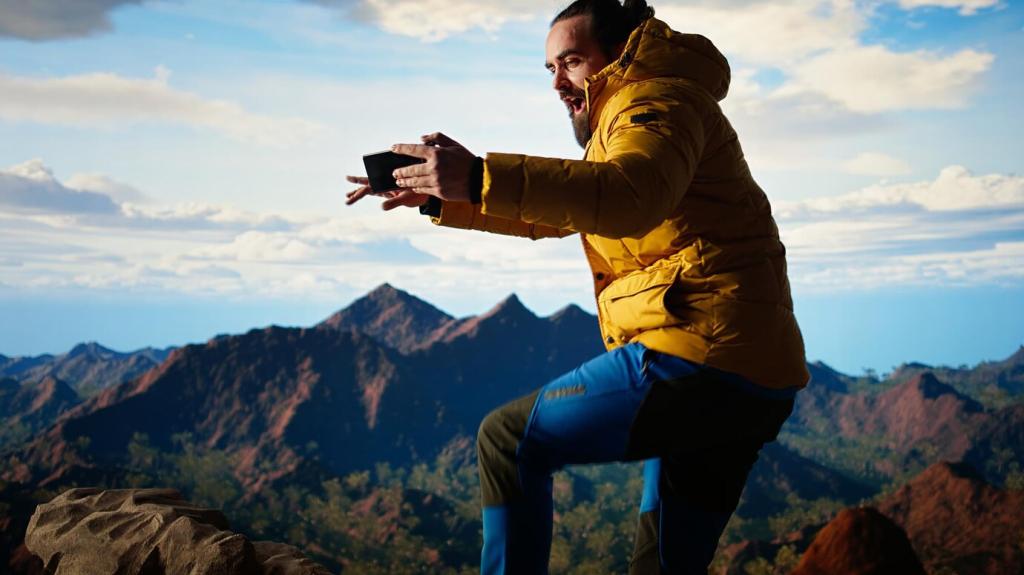
Study local guidelines: different species require different buffers. An elk can close ground shockingly fast; a moose deserves wide lanes near wetlands. I once backed off early and watched a tense encounter dissipate harmlessly. Space creates better photos and safer stories—tell us a moment when distance saved your day.
Safety on the Trail—for You and the Animals
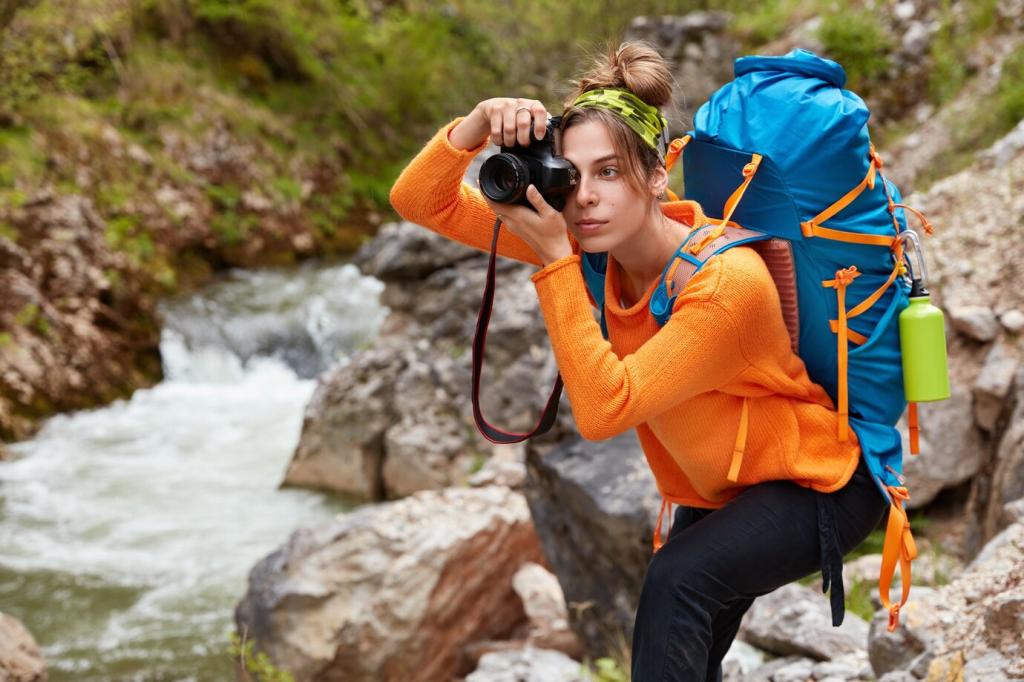
Carry a map, compass, whistle, headlamp with red mode, emergency bivy, water filter, and layered clothing. Protect batteries from cold, stash memory cards in a waterproof case, and pack a small power bank. Comfort buys patience, and patience brings wildlife closer without pressure. Share your go-to safety item below.
Planning, Projects, and Community
Before stepping out, draft a simple shot list—behavior, habitat, portrait, and detail—and bring a small notebook. Jot weather, wind, and behavior patterns. Over weeks, this becomes a map to repeatable opportunities. Post your favorite prompt for a trail journal so others can borrow it next weekend.